Statement SR-256315 · posted November 13, 2026
Partner & Affiliate TechnologyFull statement
United Bans AI Agents From Booking: 11 November Rule Rewrites the Deal
United's 11 November contract revision bans AI agents from booking tickets and lets it cancel agent-made reservations, protecting the tracked-click affiliate model — for now.
Statement notes
- United rewrote its contract of carriage on 11 November to ban AI agents from making, modifying or servicing tickets.
- A separate clause lets United cancel reservations made, changed or serviced by an AI agent, even under human supervision.
- CEO Scott Kirby said: "I don't want to create another middleman" at a Chicago event, per the Wall Street Journal.
- Blend Commerce's September test saw an unbranded AI agent refused by 29 of 200 UK and US retailers, including Tesco, Argos and Next.
- 24 of those 29 refusers' robots.txt files allowed crawlers used by ChatGPT, Perplexity and Claude, Blend said.
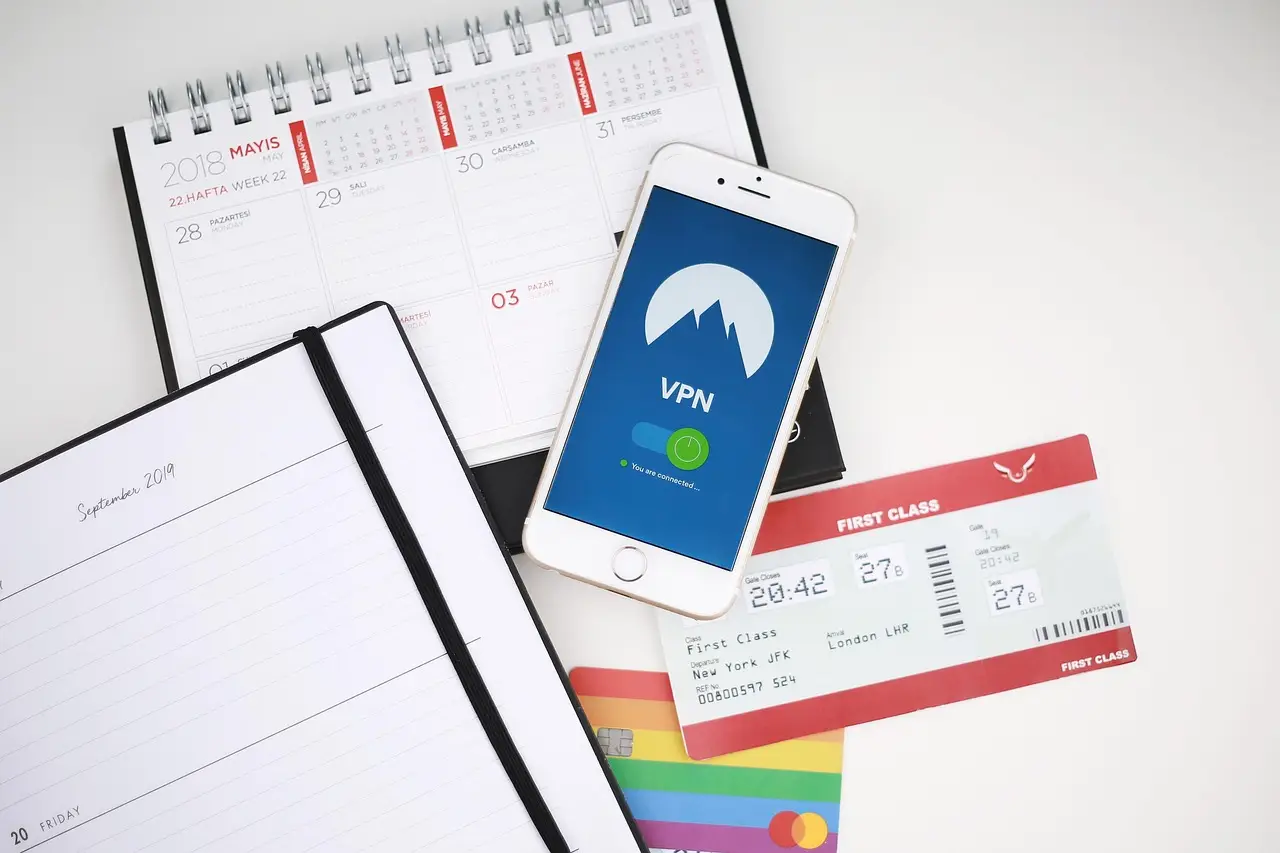
United Airlines rewrote its contract of carriage on 11 November to ban AI agents from buying, modifying or servicing tickets — and reserved the right to cancel any reservation an agent touched. The clause covers assistants working through a travel agency or any other intermediary, and it applies even when a human supervises or approves each action the agent takes.
"To be honest, I don't want to create another middleman." That was United chief executive Scott Kirby, speaking at an event in Chicago according to the Wall Street Journal. The commercial logic sits in that sentence. United's stated reasons are privacy, unintended purchases and regulatory requirements. Kirby's remark points elsewhere.
What does the new clause actually prohibit?
The revision adds to United's list of banned ticketing practices: "The use of AI Agents to make, modify or service a Ticket, and/or to purchase any service or product." A separate rule lets the airline cancel reservations that an agent made, changed or serviced. So the ban targets transaction ownership, not discovery.
What United has not banned matters more. Agents can still search and display United flights and prices. A customer can use AI to research options and then buy the ticket personally. Expedia's ChatGPT app already works that way — it shows options and sends the user to Expedia to complete the booking.
That is the affiliate bargain, restated for machines. The agent may influence the decision but not own the transaction, the customer data, or any fee that might later attach to it. A booking finished by a person on a supplier or travel-agent site is the session shape existing tracking was built for. An agent completing checkout in the background is likely harder to attribute — an inference, not something United has said.
For CPL, CPA and rev-share travel deals alike, that distinction decides who gets paid. A tracked click into a human checkout preserves attribution. A machine-closed sale may not.
Is the same friction appearing in retail?
UK retail shows the tension by another route. In September, the Shopify agency Blend Commerce sent an unbranded test agent to 200 UK and US retailers. It was refused at 29, including Tesco, Argos and Next. Blend said 24 of those 29 refusers' robots.txt files allowed the crawlers used by ChatGPT, Perplexity and Claude.
Blend blames bot protection rather than policy. Caveats stack up quickly: the test used no named AI company's agent, Blend sells conversion audits, and none of the retailers commented. For retailers that have publicly welcomed AI agents, the useful check is whether their security software agrees. Hello Partner has covered agentic checkout in Google Shopping and the rise of bot traffic, where Cloudflare's CEO said bots have surpassed human traffic online.
How will United enforce the rule?
Nobody knows. A booking record may show Expedia as the seller without revealing that an AI made the purchase. United has not explained its detection method. It is also unclear how the rule applies to tickets bought by UK customers, whose consumer-protection regime differs from the US contract-of-carriage framework the airline amended.
No enforcement mechanism. No detection detail. No cross-border guidance. Those gaps are the story's soft centre.
United has picked the old affiliate deal over a new one: agents recommend, humans close. For travel affiliates whose income depends on a tracked click, that is the more comfortable outcome — for as long as suppliers, not agents, decide where the sale happens. The 11 November clause buys that certainty for now; whether detection ever catches up with the policy is the open question.
source storage.ghost.io (Original)
Filed under
More from Amara Osei
Show full bio
Market editor covering technology and product news in affiliate and partner marketing at RevShare Report.
64 articles
Carried forward
- EU influencer proposal could hold brands liable without contracts
- FTC Signals 2026 Crackdown on AI-Generated Endorsements and Affiliate Links
- IAB Attribution Blueprint Targets Last-Click Defaults in AI-Assisted Sales
- SIPPIO Rebuilds Partner Channel Around Automation and AI
- AI Optimizes Affiliate Programs — Operators Still Run Them